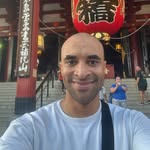
Everything you need to know about solo travel in Japan: safety tips, dining alone, meeting people, women-specific advice, and the best destinations for solo explorers.
Patrick Diede
Japan Travel Researcher
📖 13 min read👁 4078 reads
Share:
⚡QUICK ANSWER
Japan is one of the safest countries in the world for solo travelers, including women. Violent crime is extremely rare, public transport is reliable 24/7, and dining alone is completely normal. Women-only train cars, 24-hour convenience stores, and a culture of respect make it ideal. The biggest challenge is loneliness, not safety.
Japan consistently ranks among the top destinations for solo travel, and for good reason. The combination of extremely low crime rates, world-class public transport, a culture that genuinely respects personal space, and infrastructure designed for individuals makes it one of the easiest countries to explore alone. Whether you are a first-time solo traveler or an experienced one, Japan rewards independent exploration in ways few other countries can match.
This guide covers practical tips for all solo travelers with special attention to concerns women may have. Japan ranks 9th globally for travel safety with top ratings in violent crime protection and transportation safety. That said, no destination is perfect, and being informed about the specific considerations for solo travel in Japan will help you have the best possible experience.
How Safe Is Japan for Solo Travelers?
Japan has one of the lowest violent crime rates in the developed world. Theft is remarkably rare; lost wallets are routinely returned with cash intact, and you can leave belongings on a cafe table while ordering without worry. Walking alone at night in major cities feels safer than daytime in many Western cities. Police boxes (koban) are located every few blocks in urban areas and officers are helpful to foreigners even without a common language.
⚠️
Train Groping (Chikan) Is a Real Issue
The most significant safety concern for women in Japan is groping on crowded trains (chikan). Studies show over 40 percent of women in Tokyo have experienced this. Use women-only cars during rush hour (clearly marked with pink signs). If groped, shout "chikan!" loudly, as bystanders will intervene, and it is taken seriously by police. Avoid the most packed trains during peak morning rush (7:30-9:00 AM) when cars reach 180 percent capacity.
🌙
Walking Alone at Night
Extremely safe in Japanese cities. Well-lit streets, 24-hour convenience stores on every corner, and virtually no street crime. Use normal precautions but know that Japan is genuinely safe after dark in urban and suburban areas.
Nice Touch
🚃
Public Transport Solo
Trains and buses are safe at all hours. Women-only cars available during rush hour on major lines. Last trains around midnight can get rowdy with drunk salarymen but remain physically safe. Night buses are a safe budget option.
Nice Touch
🍺
Bars and Nightlife Alone
Solo bar-hopping is normal in Japan, especially at standing bars (tachinomiya) and izakayas. Drink spiking is rare but possible. Avoid touts in entertainment districts like Kabukicho, Roppongi, and Namba who target solo foreigners.
Be Aware
🏨
Accommodation Safety
Hotels and hostels are extremely safe. Capsule hotels have gender-separated floors. Ryokan and minshuku are family-run and secure. Airbnb apartments in Japan have electronic locks. Solo female-friendly hostels are common.
Nice Touch
Dining Alone: Japan Is Built for It
Unlike many countries where dining alone feels awkward, Japan genuinely celebrates solo dining. Counter seats at ramen shops, sushi bars, and izakayas are designed for individual diners. Many restaurants have ticket vending machines (shokkenki) where you order and pay before sitting down, eliminating any social interaction entirely. The concept of ohitorisama (the honorable solo person) is deeply respected in Japanese culture.
Best vs Challenging Solo Dining Experiences
Easy Solo Dining
Ramen shops, where counter seating is the norm
Conveyor belt sushi; grab what you want, no interaction needed
Yoshinoya, Matsuya, Sukiya: fast beef bowl chains
Convenience store meals; eat in-store or at the hotel
Ichiran Ramen, with individual booths and zero human interaction
Department store food courts; buy and sit anywhere
Trickier Solo
Yakiniku (BBQ), where portions are designed for sharing, but solo BBQ exists
Izakayas with party atmosphere, which can feel lonely during peak hours
High-end kaiseki, where multi-course sets for two are common
Shabu-shabu restaurants; some have solo pots, but many share
Festival food stalls (standing and eating alone is totally normal though)
Traditional ryokan dinners, served in-room and actually great alone
Solo yakiniku restaurants (hitori yakiniku) have become a trend in Tokyo and Osaka, with individual grills and partitioned seating specifically for solo diners.
Meeting People as a Solo Traveler
The biggest challenge of solo travel in Japan is not safety but social isolation. Japanese culture values personal space, and strangers rarely initiate conversation. Language barriers add another layer. However, there are excellent ways to connect with both locals and fellow travelers if you seek them out.
✅ Ways to Meet People in Japan
0 / 8
Tips Specifically for Women Traveling Alone
✅ Recommended for Solo Women
Use women-only train cars during morning rush (pink signs on platform and doors)
Stay at hostels with female-only dormitories for extra comfort and community
Share your itinerary with someone at home and check in regularly
Download the Japan emergency number (110 for police, 119 for ambulance)
Trust your instincts; politely decline persistent attention and walk to the nearest konbini
❌ Be Aware Of
Touts in entertainment districts (Kabukicho, Roppongi); firmly say "no" and keep walking
Overly friendly strangers offering to "practice English" late at night, which is usually harmless but use judgment
Capsule hotels without separated gender floors (most are separated, but verify before booking)
Leaving drinks unattended at bars, since while rare, drink spiking can occur anywhere in the world
Walking alone through very quiet residential areas late at night; stick to main streets even though Japan is safe
💡
The Konbini Safety Net
Japanese convenience stores (konbini) are open 24 hours, well-lit, staffed at all times, and located on virtually every block. If you ever feel uncomfortable, ducking into a konbini instantly puts you in a safe, public space. Staff can call police if needed. This 24/7 safety net is one of the reasons Japan feels so safe for solo travelers at any hour.
Best Japan Destinations for Solo Travelers
🗼
Tokyo
The ultimate solo city. Endless things to do, excellent public transport, vibrant hostel scene, and a culture that embraces solo activity. Neighborhoods like Shimokitazawa, Yanaka, and Koenji reward solo exploration.
Nice Touch
⛩️
Kyoto
Perfect for meditative solo travel. Temple-hopping, cycling through bamboo groves, and morning tea ceremonies are enhanced by solitude. The Philosopher's Path walk is a solo traveler's dream.
Nice Touch
🏯
Osaka
Japan's friendliest city. Osaka locals are more outgoing than Tokyo residents, making conversations easier. Street food culture in Dotonbori is perfectly suited to solo grazing. Great nightlife for solo travelers.
Nice Touch
♨️
Hakone / Onsen Towns
Solo onsen trips are deeply rejuvenating. Many ryokan welcome solo guests (though some charge a single supplement). Book rooms with private onsen baths for the ultimate solo relaxation experience.
Nice Touch
Practical Solo Travel Tips
Pack lighter than you think, because carrying your own bags through stations without help demands it. Get a portable WiFi or eSIM immediately, as Google Maps and Google Translate become your travel companions. Learn a few basic Japanese phrases (sumimasen, arigatou, kudasai), as they go further than you would expect. Download offline maps for areas with poor signal. Book at least your first and last night of accommodation in advance, then stay flexible for the rest.
For ryokan stays, be aware that some charge a single-occupancy supplement since rooms are typically priced per person with meals. Business hotels like Toyoko Inn and APA Hotel are completely solo-friendly with no surcharge. Capsule hotels are an iconic solo experience worth trying at least once. Book one with a gender-separated floor and communal bath for the full experience.
Frequently Asked Questions
Is Japan safe for solo female travelers?+
Yes, Japan is one of the safest countries in the world for solo female travelers. Violent crime against tourists is extremely rare, public transport operates safely at all hours, and the culture deeply respects personal boundaries. The main concerns are crowded train groping (use women-only cars) and occasional persistent attention from drunk men in nightlife areas (easily avoided). Thousands of women travel Japan solo every year without incident.
Will I feel lonely traveling alone in Japan?+
Potentially, yes. This is the most common challenge. Japanese culture does not encourage random conversation with strangers, and the language barrier adds distance. Combat loneliness by staying in social hostels, joining group activities, visiting izakayas with counter seating, and connecting with other travelers online. Many solo travelers find that Japan's peaceful solo experiences (temple walks, onsen baths, solo ramen) become unexpectedly meditative and restorative.
Is it weird to eat alone in Japan?+
Not at all. Japan is possibly the best country in the world for solo dining. Counter seats at ramen shops and sushi bars are specifically designed for solo diners. Ticket vending machine restaurants eliminate awkward ordering. The concept of ohitorisama celebrates doing things alone. Many Japanese businesspeople eat every meal solo during the week. You will not receive a single odd look dining alone anywhere in Japan.
Can I stay at a ryokan alone?+
Yes, though some upscale ryokan charge a single-occupancy supplement (typically 20-50 percent extra) since rooms are priced per person including meals. Budget ryokan and minshuku are more solo-friendly with lower or no supplements. Booking platforms like Booking.com and jalan.net let you filter for single-guest options. A solo ryokan stay with private onsen is one of the most peaceful travel experiences imaginable.
How do I handle the language barrier traveling solo?+
Google Translate with the camera feature handles menus and signs instantly. Google Maps with transit directions navigates the train system flawlessly. Learn 10-15 basic Japanese phrases for daily interactions. Most tourist areas have English signage. Hotel staff at chains like Toyoko Inn speak basic English. The language barrier is manageable and rarely creates genuine problems. Pointing, smiling, and bowing solve most communication gaps.
STAY UPDATED
Get the BeforeJapan Starter Kit
Printable packing checklist + 50 essential phrases PDF — plus weekly tips in your inbox.
KEEP READING
Related Articles
More in-depth guides from the The Complete Japan Travel Guide pillar.