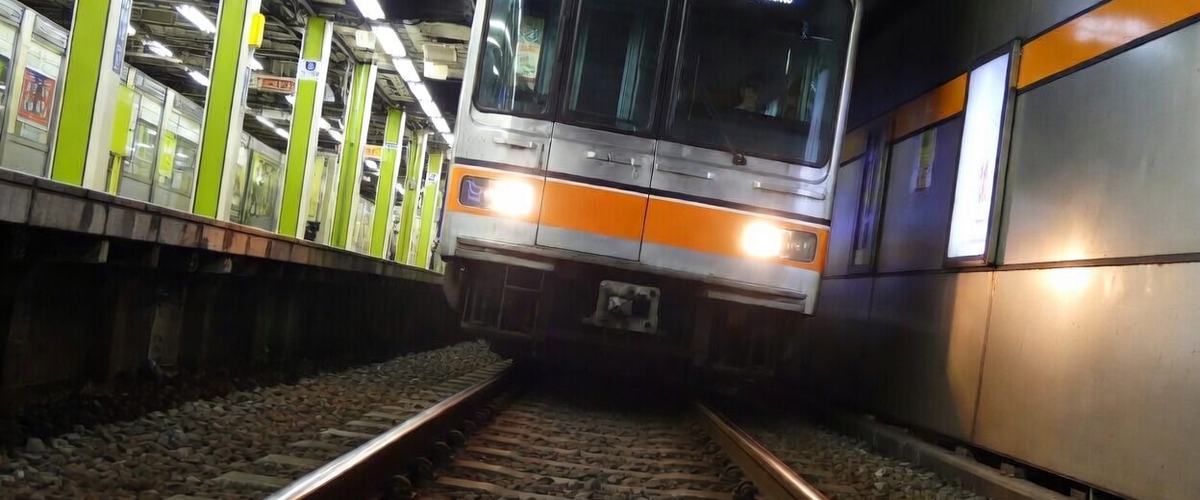
Tokyo's subway system carries 8 million passengers daily across 13 lines and 290 stations. It looks intimidating on the map, but the system is brilliantly designed for navigation. Every line has a distinct color, every station has a letter-number code, and signage is in English throughout. Once you understand the basic structure (two operators, color-coded lines, IC card for payment), getting around Tokyo is surprisingly simple.
This guide covers the essentials: which lines go where, how to buy tickets, when to use day passes, and the practical tips that transform a confusing web of lines into your personal express network across Tokyo.
Two Operators, One System
Tokyo Metro vs Toei Subway
Tokyo Metro (9 lines)
Ginza (G, orange), Marunouchi (M, red), Hibiya (H, grey)
Tozai (T, light blue), Chiyoda (C, green)
Yurakucho (Y, gold), Hanzomon (Z, purple)
Namboku (N, teal), Fukutoshin (F, brown)
Covers most major tourist areas
Toei Subway (4 lines)
Asakusa (A, rose), Mita (I, blue)
Shinjuku (S, lime green)
Oedo (E, magenta), a large loop line
Useful for Roppongi, Tsukiji, Asakusa
Different operator = separate day pass
With an IC card, transferring between the two systems is seamless; just tap in and out. Day passes differ: buy the combined pass if you plan to use both operators.
Fares and Day Passes (March 2026 Update)
🚇
Tokyo Subway Fares and Passes (Updated March 2026)
Tokyo Subway 24-Hour Ticket
Toei & Tokyo Metro One-Day Pass
Tokyo Free Kippu (subway + JR + bus)
Tokyo Subway 48-Hour Ticket
Tokyo Subway 72-Hour Ticket
💴
March 2026 Fare Increase
Tokyo Metro and Toei Subway raised fares on March 14, 2026. The 24-Hour Ticket went from ¥800 to ¥1,000, and the combined One-Day Pass from ¥900 to ¥1,100. Despite the increase, day passes remain good value if you take 4+ subway rides in a day. From March 25, 2026, the One-Day Pass is also available as a QR code ticket purchasable online.
How to Navigate Tokyo's Subway
🗺️
Your First Subway Ride
1
Find your line and direction
Use Google Maps to find which line and direction you need. Look for the line color and station code (e.g., "Take the Ginza Line to G-09"). Platform signs show the line color, direction (terminal station name), and next train time.
2
Tap your IC card at the gate
Hold your Suica/Pasmo over the blue IC card reader at the ticket gate. The gate opens automatically. Your entry station is recorded. No need to select a destination in advance.
3
Follow signs to your platform
Color-coded signs guide you to the correct platform. Numbers on floor markings show where each car stops. Platform screens show the next train's destination and arrival time in minutes.
4
Board and ride
Let passengers exit before boarding. Move to the center of the car. Announcements are in Japanese and English. Screen displays above the doors show the next station and transfer options.
5
Tap out at your destination
Tap your IC card again at the exit gate. The correct fare is automatically deducted. Follow exit number signs to reach the specific street-level exit closest to your destination, as large stations have 10+ exits.
Most Useful Lines for Tourists
🟠
Ginza Line (G)
Shibuya → Omotesando → Aoyama → Ginza → Nihombashi → Asakusa. Connects the two most popular tourist areas. The oldest subway line in Asia (opened 1927).
Important
🔴
Marunouchi Line (M)
Shinjuku → Tokyo Station → Ginza → Ikebukuro. Connects major JR hubs. Use for Shinjuku to Tokyo Station transfers. Very frequent service.
Important
🟢
Chiyoda Line (C)
Connects to Meiji-jingumae (Harajuku), Omotesando, Otemachi (Tokyo), and extends to the northern suburbs. Useful for Harajuku and temple areas.
Be Aware
🟣
Oedo Line (E, Toei)
Large loop line serving Roppongi, Tsukiji Market, Ryogoku (Sumo), and Shinjuku. Runs deep underground with long escalator rides. Hits many tourist spots.
Be Aware
Subway Etiquette
✅ Do
Stand on the left side of escalators (left in Tokyo, right in Osaka)
Put your phone on silent mode (manner mode)
Give up priority seats for elderly, pregnant, or disabled passengers
Let passengers exit before boarding
Move to the center of the car during rush hour
❌ Don't
Don't talk on the phone; texting is fine, but calls are not
Don't eat or drink on the subway (Shinkansen is different)
Don't block the doors; step out if people need to exit
Don't use the priority car during women-only hours (morning rush)
Don't rush for the last spot, as another train comes in 3 minutes
Rush Hour Survival
Tokyo rush hour (7:30-9:30 AM and 5:30-8:00 PM on weekdays) is intense. Trains run at 200% capacity on the worst lines. If possible, travel outside these hours. If you must ride during rush hour, choose a less-crowded car (the ends of the train), let several trains pass if the first is packed, or consider walking or taking a bus instead. The Tozai, Chuo, and Odakyu lines are notoriously the most crowded. Weekend and holiday subway travel is pleasant and uncrowded.
Tokyo Subway FAQ
When does the last train run?
+
Most last trains depart between 11:30 PM and 12:30 AM depending on the line and direction. Check Google Maps or the station timetable for your specific route. Missing the last train means an expensive taxi (¥5,000-15,000) or waiting at a manga cafe until the first train around 5:00 AM. Plan accordingly for late nights.
Is the day pass worth it?
+
The 24-Hour Ticket (¥1,000) pays for itself after 4-5 rides. If you are sightseeing intensively and hopping between neighborhoods, it is almost always worth it. For 2-3 days of heavy subway use, the 48-Hour (¥1,800) or 72-Hour (¥2,500) tickets are even better value.
How do I know which exit to use?
+
Google Maps tells you the best exit number for your destination. Large stations like Shinjuku have 50+ exits, and taking the right exit saves 10-15 minutes of walking. Follow the yellow exit number signs in the station. When in doubt, use Exit A1, which is usually near the main street level.
What about JR lines in Tokyo?
+
JR operates the Yamanote Line (loop), Chuo Line, and several other lines in Tokyo. These are separate from the subway but your IC card works seamlessly on both. The Yamanote Line is essential for getting between Shinjuku, Shibuya, Harajuku, Tokyo, Ueno, and Akihabara.
STAY UPDATED
Get the BeforeJapan Starter Kit
Printable packing checklist + 50 essential phrases PDF — plus weekly tips in your inbox.